The Advantages of Cloud Based Access Control
Access control is the practice of preventing unauthorized entry to a site, building, or specific office, thereby safeguarding the people, premises, and assets within. It facilitates the management of employee and visitor entry and exit, while also regulating access to designated areas. Additionally, access control serves as a safety measure by restricting access to potentially hazardous locations or equipment, such as boiler rooms or elevator machine rooms.
Traditionally, an on-site access control system comprises a server and connected computer located within the business premises. This system utilizes software to manage access permissions for individuals and monitor their movements within the premises.
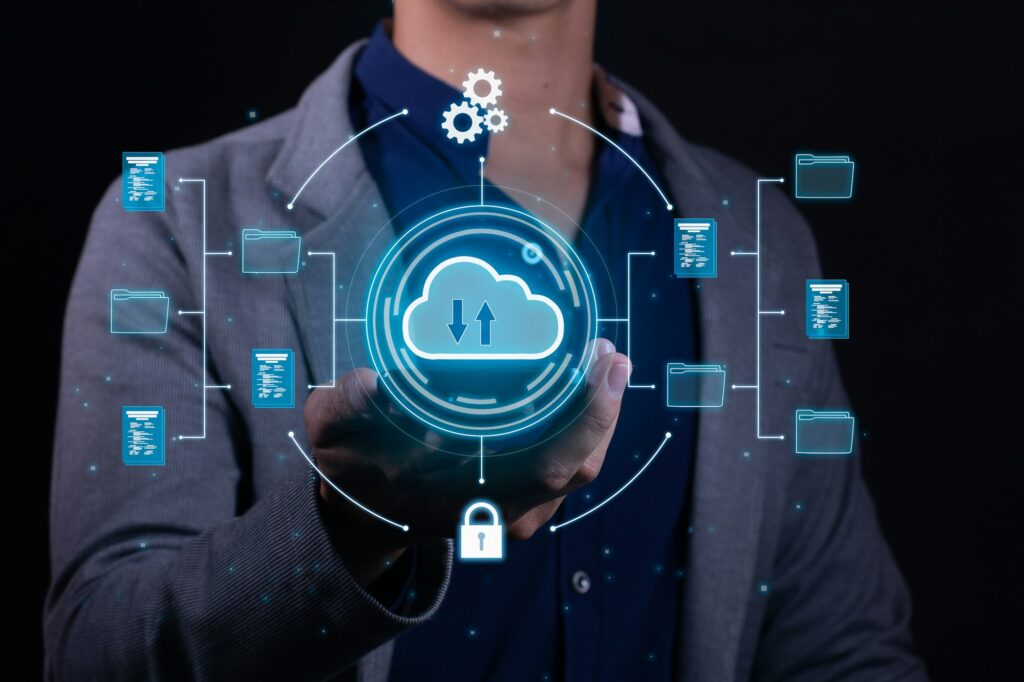
However, modern access control systems increasingly leverage cloud-based technologies for enhanced flexibility and functionality. In a hosted or cloud-based setup, the server is relocated from the business premises to a remote data center. Key card readers, meanwhile, remain on-site to read key fobs, cards, or mobile Bluetooth devices, granting access as appropriate. This cloud-based approach offers greater scalability and accessibility, allowing businesses to efficiently manage access control from any location with internet connectivity.
Benefits of Cloud-Base System v/s On-Premise access Control
Sure, let’s delve deeper into each of the benefits of cloud-based access control compared to on-premises access control:
Scalability: Cloud-based access control systems offer businesses the ability to easily scale their security infrastructure up or down according to changing needs. Whether a company is expanding its operations, adding new access points, or accommodating seasonal fluctuations in staffing, cloud-based solutions provide the flexibility to adjust access control parameters without the need for significant hardware investments or reconfigurations. This scalability ensures that organizations can maintain optimal security levels while adapting to evolving business requirements.
Flexibility: Cloud-based access control systems empower administrators with greater flexibility in managing access permissions and monitoring security events. With cloud-based platforms accessible from any internet-enabled device, administrators can conveniently modify access levels, add or remove users, and monitor access activity in real-time, regardless of their location. This flexibility streamlines access management processes, enhances operational efficiency, and enables rapid response to security incidents or policy changes.
Cost-effectiveness: Cloud-based access control solutions offer a more cost-effective alternative to traditional on-premises systems, primarily due to reduced capital expenses and predictable subscription-based pricing models. By eliminating the need for costly on-site hardware infrastructure, such as servers and storage devices, businesses can significantly lower upfront capital expenditures. Moreover, subscription-based pricing enables organizations to pay only for the features and services they utilize, optimizing cost efficiency and budget allocation.
Remote Management: Cloud-based access control systems enable remote management of security operations, providing administrators with anytime, anywhere access to critical security functionalities. Unlike on-premises systems that require physical access to the server for configuration and maintenance tasks, cloud-based platforms can be accessed and managed remotely via web-based interfaces or mobile applications. This remote management capability enhances administrative convenience, facilitates rapid decision-making, and ensures seamless security oversight across distributed environments.
Enhanced Security: Cloud-based access control solutions prioritize security by incorporating advanced encryption protocols, multi-factor authentication mechanisms, and automated backup procedures. By leveraging secure cloud infrastructure and adhering to stringent security standards, such as ISO 27001 certification, cloud-based providers mitigate the risk of unauthorized access, data breaches, and system vulnerabilities. Additionally, cloud-based systems offer centralized security management, enabling administrators to enforce consistent security policies and access controls across all devices and locations.
Automatic Updates: Cloud-based access control systems receive automatic software updates and patches, ensuring that the platform remains up-to-date with the latest security enhancements and feature releases. Unlike on-premises systems that may require manual installation and configuration of updates, cloud-based solutions automatically deploy updates without disrupting ongoing operations. This proactive approach to software maintenance minimizes the risk of security vulnerabilities, enhances system reliability, and ensures continuous compliance with regulatory requirements.
Disaster Recovery: Cloud-based access control systems incorporate built-in redundancy and disaster recovery mechanisms to safeguard against data loss and system downtime. By leveraging geographically distributed data centers and redundant infrastructure components, cloud-based providers ensure high availability and resilience in the face of hardware failures, network outages, or natural disasters. This robust disaster recovery architecture minimizes service disruptions, maintains data integrity, and enhances business continuity in critical scenarios.
Additional Functionality: Traditional access systems often require payment for feature-rich setups, accompanied by recurring yearly update expenses and fees per feature. Once purchased, these features are typically permanent and cannot be easily removed, even if they’re only needed for a short duration. Conversely, cloud solutions offer the flexibility to add or remove services as needed, aligning with the dynamic needs of the business.
In summary, the benefits of cloud-based access control encompass scalability, flexibility, cost-effectiveness, remote management, enhanced security, automatic updates, and disaster recovery capabilities. By embracing cloud-based solutions, organizations can achieve greater agility, efficiency, and resilience in managing their access control infrastructure, thereby enhancing overall security posture and operational effectiveness. Additionally, cloud solutions offer the added advantage of customizable features and services without the constraints of traditional access systems.
How do I determine the most suitable cloud-based access control solution for my needs?
There are three primary types of cloud access control solutions available, each designed to meet varying business needs and security objectives:
On-Site Cloud-Based Access Control System: This solution is well-suited for smaller companies seeking a straightforward option. While not a fully-fledged cloud system, data is stored on-site in a specialized unit. These systems offer basic cloud functionalities, allowing users to access the system remotely via a web browser on devices such as smartphones or tablets. While the hardware may be slightly more expensive than standard on-site server systems, there are no ongoing costs once installed, as the system is self-managed through a portal website. It’s important to note that local cloud-based systems may not offer the same level of reliability and redundancy as fully cloud-based systems, which typically utilize a minimum of three backup servers.
Cloud-Hosted Access Control System: In this setup, the access control software is hosted on servers in the cloud, providing enhanced reliability and redundancy through the use of backup servers. Cloud hosting offers scalability and accessibility, allowing users to manage the system remotely with ease.
Managed Service Cloud Access Control: This managed service managed cloud access control is designed for companies seeking comprehensive management of their access control system. In this setup, an operator or monitoring center oversees all system operations on behalf of the company. Tasks performed by the operator or monitoring center may include, services encompass various tasks, including user provisioning, access rights management, database maintenance, reporting structure management, custom report generation, token setup activation, staff removal, privilege changes, access blocking, system health monitoring, and more. While businesses retain remote access, the monitoring center ensures that the system operates efficiently and adheres to established processes.
Each type of cloud access control solution offers unique benefits and features, allowing businesses to select the option that best aligns with their requirements and operational preferences.
Initial Client Consultation
The access control installation process usually begins with an initial consultation. During this phase, our access control specialist engages with clients to assess their access control needs and objectives. Based on this evaluation, our team develops a customized access control solution that addresses the client’s individual requirements.
Installation Process
The installation process encompasses these key stages:
- Site survey and planning.
- Device installation and wiring.
- System configuration and testing.
- Continuous support and maintenance.
Our technicians strategically deploy access control devices like keypads, card readers, and biometric scanners to regulate access to designated areas.